
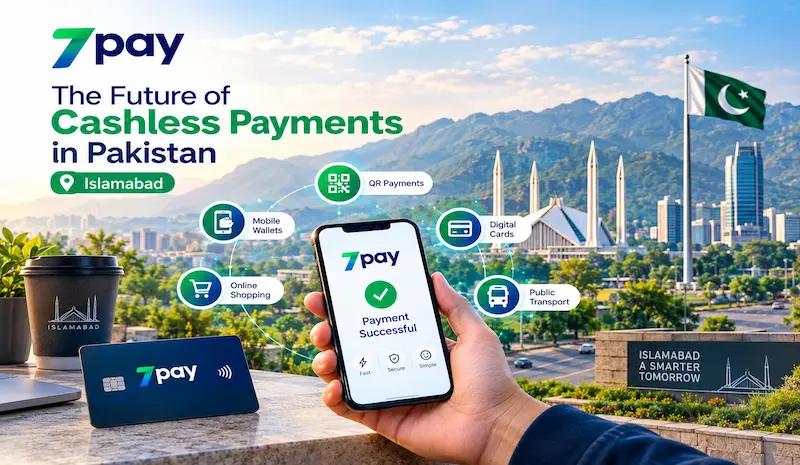
Pakistan is moving toward a more connected digital economy where people can pay bills, transfer money, shop online, and manage everyday expenses through digital channels. Future of Cashless Payments in Pakistan are becoming an important part of this transformation, offering consumers and businesses faster and more convenient ways to manage transactions.
From mobile wallets and QR payments to online transfers and digital shopping, payment habits are changing. However, this transition also brings challenges such as security, internet connectivity, digital literacy, and customer trust.
Understanding these opportunities and challenges helps explain how Pakistan’s digital payment ecosystem may develop and how platforms such as 7Pay can contribute to a more convenient payment experience.
What Are Cashless Payments in Pakistan?
Cashless payments are transactions completed without physical notes or coins. Instead, money is transferred electronically through digital payment channels.
In Pakistan, common methods include mobile wallets, bank transfers, QR payments, debit and credit cards, internet banking, mobile banking, and online payment platforms. These services allow individuals and businesses to send, receive, and manage money digitally.
For example, customers can pay merchants using QR codes, transfer money through mobile applications, or pay utility bills online without visiting a physical payment counter.
How Cashless Payments Work
A typical digital transaction follows these steps:
- The customer selects a payment method.
- The payment is initiated through an app, website, card, or QR code.
- The payment service processes the transaction.
- The transaction is confirmed.
- The recipient receives the funds according to the provider’s settlement process.
The exact process depends on the payment method and service provider.
The Current State of Cashless Payments in Pakistan
Pakistan’s digital payment ecosystem is developing through mobile technology, fintech services, banking infrastructure, and electronic payment systems. The State Bank of Pakistan also plays an important role in the country’s payment ecosystem.
Major Cashless Payment Methods
Some of the most common digital payment methods include:
- Mobile payments: Transactions completed through mobile applications.
- Mobile wallets: Digital accounts used to store, send, and receive money.
- QR payments: Transactions completed by scanning a QR code.
- Card payments: Debit and credit card transactions.
- Internet banking: Online transfers and bill payments.
- Mobile banking: Banking services accessed through smartphones.
- Bank transfers: Electronic movement of funds between accounts.
- Payment gateways: Technology that enables online businesses to accept payments.
The Role of Raast
Raast is Pakistan’s instant payment system developed under the State Bank of Pakistan. It supports the development of digital payments and payment interoperability.
For consumers, interoperable payment systems can provide additional ways to transfer money. For businesses, they can create more options for receiving digital payments.
As Pakistan’s payment ecosystem develops, platforms such as 7Pay can focus on making supported digital payment services simple and accessible for customers.
Why Is Pakistan Moving Toward a Cashless Economy?
Several factors are contributing to the growth of digital payments in Pakistan.
1. Growing Smartphone Usage
Smartphones are increasingly used for communication, shopping, banking, and financial management. Mobile payment services allow users to complete transactions through supported applications.
2. Demand for Convenience
Digital transactions can reduce the need to carry cash, search for change, or visit physical payment locations. Customers can manage many routine payments directly from their phones.
3. Growth of E-Commerce
Online shopping requires convenient payment methods. As e-commerce develops, businesses need reliable ways to accept payments through digital channels.
4. Business Digitalization
Retailers, freelancers, small businesses, and online sellers can use digital payment tools to simplify collections and maintain electronic transaction records.
5. Financial Inclusion
Digital financial services can expand access to payment solutions for people who may have limited access to traditional financial channels.
Opportunities for Cashless Payments in Pakistan
The development of digital payments creates opportunities for consumers, businesses, and fintech companies.
Easier Everyday Payments
Digital payment platforms can simplify routine activities such as:
- Utility bill payments
- Mobile recharge
- Money transfers
- Online shopping
- Merchant payments
- Digital collections
These services can reduce the time required for many everyday financial activities.
Growth of Digital Payments for Businesses
Businesses can use digital payment solutions to receive money electronically, maintain transaction records, reduce cash handling, and offer customers additional payment options.
This can be particularly useful for businesses operating through websites, social media, and physical stores.
Expansion of E-Commerce Payments
Online businesses need payment systems that are convenient and easy to use. Suitable digital payment options, transaction confirmations, payment records, and secure checkout experiences can support online commerce.
Mobile Wallet Adoption
Mobile wallets give users access to digital payment services through smartphones. Their usefulness depends on available features, security, ease of use, and customer trust.
Digital Payments for Small Businesses
Small businesses often need straightforward payment tools. Digital payments can help merchants accept money electronically while reducing their dependence on physical cash.
The Role of 7Pay in Pakistan’s Digital Payment Future
7Pay is focused on providing digital payment services through a convenient and user-friendly experience. Its role in Pakistan’s evolving payment ecosystem should be based on the services and features currently available through its platform.
Digital Money Transfers
Digital money transfers allow users to send money electronically through supported payment channels. A simple interface, clear instructions, and transaction confirmation can make the process easier for customers.
Bill Payments
Digital bill payment services allow customers to manage routine expenses through their phones. A convenient experience should make it easy to select a service, enter payment details, review the amount, and confirm the transaction.
Mobile Recharge
Mobile recharge is another practical use of digital payments. Where supported, users can recharge their mobile accounts through a simple digital process.
Digital Payment Solutions for Businesses
Businesses need payment solutions that are easy to understand and suitable for their daily operations. Digital payment services can support electronic collections, transaction records, online sales, and customer payment options where available.
Challenges of Cashless Payments in Pakistan
The transition toward a cashless economy also brings several challenges.
Internet Connectivity
Digital payments depend on reliable connectivity and payment infrastructure. Users in areas with weak networks may experience delays or difficulty completing transactions.
Digital Literacy
Some users may be unfamiliar with mobile wallets, QR payments, or online payment systems. Simple interfaces and clear instructions can help customers use digital services more confidently.
Transaction Security
Security remains an important consideration. Users should protect their PINs, passwords, account details, and mobile devices. Payment platforms should also maintain appropriate security and fraud-monitoring measures.
Trust and Reliability
Customers expect transactions to be processed correctly. Failed payments, unclear transaction status, or delayed confirmations can affect confidence in digital services.
Merchant Adoption
Some businesses continue to rely on cash because of customer habits, familiarity, or concerns about digital payment costs. Wider adoption requires simple tools, suitable payment options, and clear information.
Continued Cash Dependency
Cash remains important for many everyday transactions. Digital payments are therefore likely to expand gradually rather than replace cash immediately.
Cashless Payment Technology and the Future
Payment technology continues to develop through mobile applications, digital wallets, QR codes, payment gateways, and improved payment infrastructure.
Real-Time Payments
Instant payment systems can make money movement faster and provide customers with quicker transaction confirmation where supported.
QR Code Payments
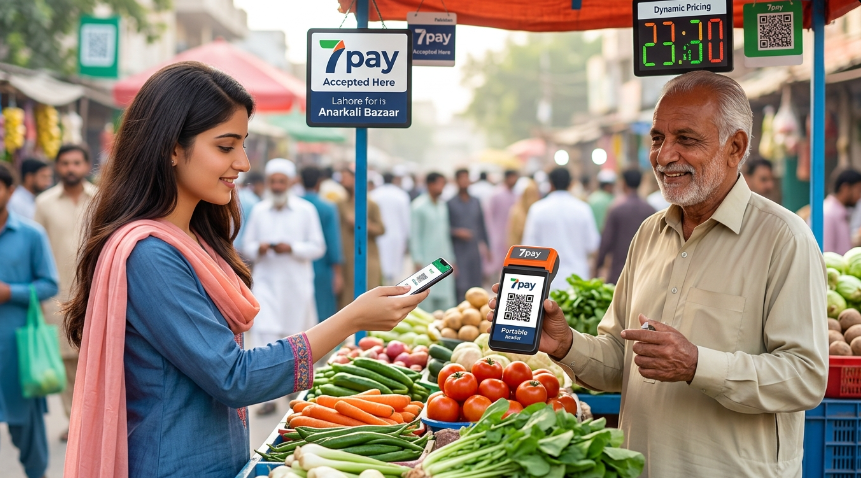
QR payments provide a convenient option for customers and merchants. Users can scan a supported QR code and complete the payment through a compatible application.
Payment Gateways
Payment gateways help online businesses accept digital payments through websites and other platforms. For e-commerce businesses, secure and convenient payment processing can improve the checkout experience.
Payment Interoperability
Interoperability allows different payment systems to work together where supported by relevant infrastructure and standards. Greater interoperability can make digital transactions more convenient for users and businesses.
Cashless Payments for Businesses in Pakistan
Businesses are an important part of digital payment adoption. Whether a company operates online or from a physical location, convenient payment options can improve the customer experience.
Digital payments may help businesses:
- Accept electronic payments
- Reduce physical cash handling
- Maintain transaction records
- Support online sales
- Offer customers more payment choices
- Improve payment collection processes
When selecting a digital payment solution, businesses should consider available payment methods, transaction fees, security, integration, customer support, reporting, and service reliability.
Cashless Payments in Pakistan: Cash vs Digital
| Feature | Traditional Cash | Digital Payments |
| Payment method | Physical notes and coins | Electronic payment channels |
| Convenience | Requires cash in hand | Can be completed through supported digital services |
| Bill payments | Physical locations may be required | Online options where supported |
| Money transfers | Physical exchange or cash deposit | Electronic transfer options |
| Mobile recharge | Cash at a retailer | Digital recharge where supported |
| Transaction records | Paper receipts | Digital transaction history where provided |
| Business collections | Cash handling | Electronic collections where supported |
| Security | Risk of physical loss or theft | Requires account and device security |
How Can Pakistan Increase Cashless Payment Adoption?
A successful digital payment ecosystem requires cooperation between consumers, businesses, payment platforms, and financial institutions.
Improve Payment Accessibility
Digital services should be easy to access and simple enough for users with different levels of technology experience.
Build Customer Trust
Clear pricing, transaction confirmations, security information, and responsive support can help improve customer confidence.
Support Small Businesses
Merchants need practical and affordable payment tools that fit their daily operations.
Promote Digital Literacy
Users should understand how to make digital payments safely and protect their account information.
Improve Payment Infrastructure
Reliable connectivity, interoperability, and appropriate technical infrastructure are important for successful digital transactions.
The Future of Cashless Payments in Pakistan
The future of Cashless Payments in Pakistan will depend on how effectively digital services meet the needs of consumers and businesses.
Mobile payments, digital wallets, QR transactions, online banking, and payment gateways are likely to remain important parts of the evolving payment landscape. Wider merchant adoption, improved infrastructure, better interoperability, and greater digital awareness can further support this development.
However, cash will continue to play an important role for many people. The transition toward digital payments will depend on convenience, accessibility, reliability, security, and customer confidence.
7Pay can contribute to this development by focusing on accessible digital payment services, a user-friendly experience, and reliable support.
Conclusion: Building a More Connected Digital Payment Future
Cashless payments are becoming an important part of Pakistan’s digital transformation. Mobile payments, QR transactions, online banking, and digital financial services are creating new opportunities for consumers and businesses.
At the same time, security, accessibility, digital literacy, connectivity, and trust remain important challenges. Addressing these areas can help create a more reliable and accessible digital payment ecosystem.
For 7Pay, the opportunity is to provide convenient digital payment services that meet the everyday needs of customers and businesses while keeping the experience simple and accessible.
Explore Digital Payment Solutions with 7Pay
Discover 7Pay and explore the digital payment services available for your everyday financial needs.
CTA: Explore 7Pay
Frequently Asked Questions About Cashless Payments in Pakistan
1. What are cashless payments in Pakistan?
Cashless payments are transactions completed electronically without exchanging physical cash. They include mobile payments, digital wallets, QR payments, cards, and electronic transfers.
2. How is Pakistan moving toward a cashless economy?
Pakistan is developing digital payments through mobile technology, electronic transfers, QR payments, online banking, and instant payment infrastructure.
3. What are the challenges of cashless payments?
Major challenges include internet connectivity, digital literacy, security concerns, transaction reliability, merchant adoption, and continued dependence on cash.
4. How can businesses benefit from digital payments?
Businesses may benefit from electronic collections, digital transaction records, online payment acceptance, and reduced dependence on physical cash.
5. How is Raast supporting digital payments?
Raast is Pakistan’s instant payment system developed under the State Bank of Pakistan. It supports the development of digital payments and payment interoperability.
6. What role can 7Pay play in digital payments?
7Pay can support customers through its available digital payment services, convenient user experience, and customer-focused approach.